Throughout the decades hardcore punk has been defined mostly by its simplicity, even compared to punk rock proper. Four chords and a shout became three chords and even, in some instances, two or less. Subgenres like grindcore, fastcore and powerviolence push the absolute lowest limits on how short and fast a hardcore song can be while still maintaining its essential qualities. When you look at output from groups like the HIRS COLLECTIVE, you can find album compilations of over 100 songs coming in at a crisp 80 minutes long (and their second collection is even faster and shorter). If this is what you’re into, cool – and to a pretty significant degree, I hold space in my heart for it too. But it’s not the kind of hardcore I want to talk about today. I want to talk instead about what I’ve been calling “MAXIMALIST HARDCORE.”
Maximalism, especially as it pertains to music, has been employed to describe a wide array of different musical movements, eras and national trends. But the definition I most easily vibe with is the one composer David A Jaffe laid out in his 1995 Leonardo Music Journal article, “Orchestrating the Chimera: Musical Hybrids, Technology and the Development of a ‘Maximalist’ Musical Style:” “I embrace heterogeneity, with all its contradictions, and view all outside influences as potential raw material from which something idiosyncratic and sharply defined may be created.” In contrast to the “less-is-more” attitude of most hardcore, maximalist hardcore is just simply “more,” experimenting with form, production, presentation; maximalist hardcore plays with genre, simultaneously adhering to and throwing out hardcore conventions as needed in order to create something that hits harder than any of its component parts could by themselves.
From a utilitarian perspective, this is awful. Who needs a three-BAND – yes, as in musical group – series of albums, all telling the same science-fiction story at different eras in its mythology, spread out over the course of nearly a decade? Just stick to one band, and preferably one album’s worth of songs, please! Luckily, we don’t need to listen to the utilitarians, and we have the powerful trio of ANOPHELI, ARCHIVIST and MORROW’s discographies to get lost in regardless. Similarly, we don’t need a Japanese hardcore supergroup featuring the guitarist from DEATH SIDE playing a nearly-simultaneous combination of blistering hardcore riffs and psychedelic meanderings, the singer from SCREAMING HOG shouting his brains out, and J-pop singer Mayuko Sakai captivating listeners in one of the most entrancing songs on a punk record, but we did get it with PAINTBOX on the album Trip, Trance and Travelling.
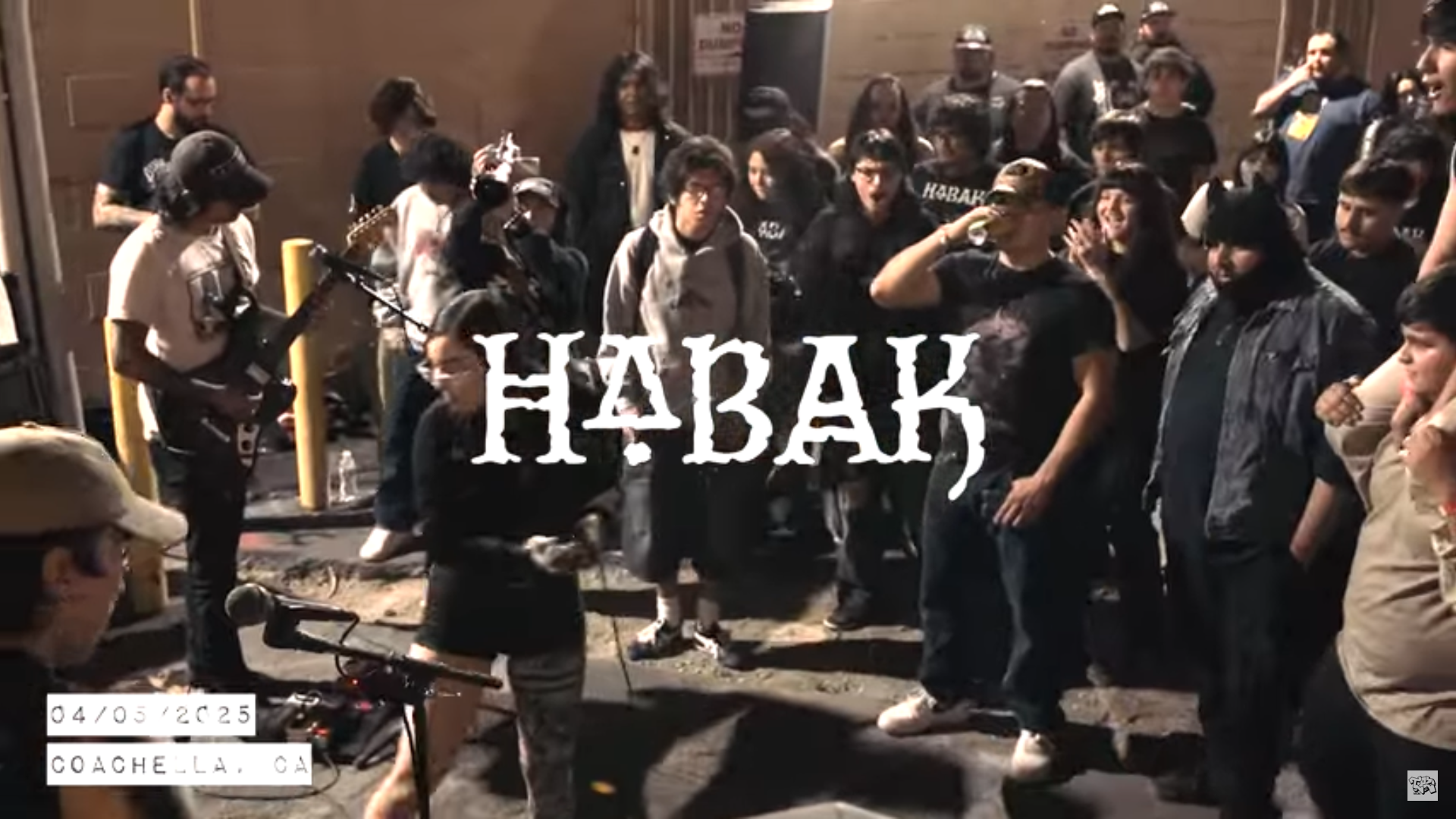
When I listen to a band like HABAK or SOUL GLO or FUCKED UP I am expecting to find a tension between beauty and aggression, and often I find it resolved. These things can and do live side by side with each other—often, more than just adjacent, entwined. Beauty is not merely pleasant sounds or vibes; it can be harsh, it can be cacophonous, it can be conveyed at a blistering pace. Adjacent to maximalist hardcore, I think, is where most modern emo or post-hardcore lives, like LA DISPUTE or TOUCHÉ AMORÉ. Listening to TOUCHÉ’s Stage Four, I get a very similar sense as when I’m listening to some maximalist hardcore out there, a feeling of connection, of sadness, of resignation, of appreciation that I get to be here and witness this outpouring of feeling. It’s maybe no surprise, then, that the nerd-ass genre taxonomies of some of the bands I’ve mentioned include shit like “Burning Spirits” and “Emocrust” entangled within their labeling morasses. Thinking further, running adjacent to all of this is definitely the titanic Bridge Nine era. Other bands, like FUCKED UP and SOUL GLO, found their way here by staying true to their music and doing their own shit. Hardcore but more. What the fuck are you gonna do to stop them? This is the maximalist promise.
Sometimes it can be nice to get those quick hits in, to be in and out of a record before your 15 minute break is up. But lately I’ve been drawn to the albums with track lengths longer than some grindcore bands’ whole discographies, especially music from emocrust bands like MORROW, WREATHE and TENUE. Part of this has been a bit of a hyperfixation on my part; I’ve been a little obsessed with finding and listening to all of Alex CF’s bands (there are many of them). But part of this is that the music, which has ranged from profoundly moving to more than a little gaudy and silly, has served as a comfort to me over the last few months. I’ve made it no secret that this last year has been horrible personally, and the distorted screams of a bunch of crusty anarchos shouting in unison about decay and struggle and hope and renewal has made much of this shitty period bearable. Nowhere has that impact been more profound than with HABAK, on their brand new album, Mil orquídeas en medio del desierto, specifically the song “Notas sobre el olvido:”
Que la amnesia nunca nos bese la boca
Que nunca nos bese
Soñábamos con utopías
Y nos despertamos gritando
The beauty and the violence, the sweet melodies, the low crash of the waves, the cacophonous rise of the guitars and drum, the vocals. This is maximalist hardcore. This is why I love this shit. Sometimes you just need a reminder.
“We dreamed of utopias/ and we woke up screaming.”
One response
[…] video games or writing about much here except for some errant thoughts I needed to clear out (see the post about Maximalist Hardcore from last month, or the one about the now much bigger porn ban from before that). But I wanted to […]